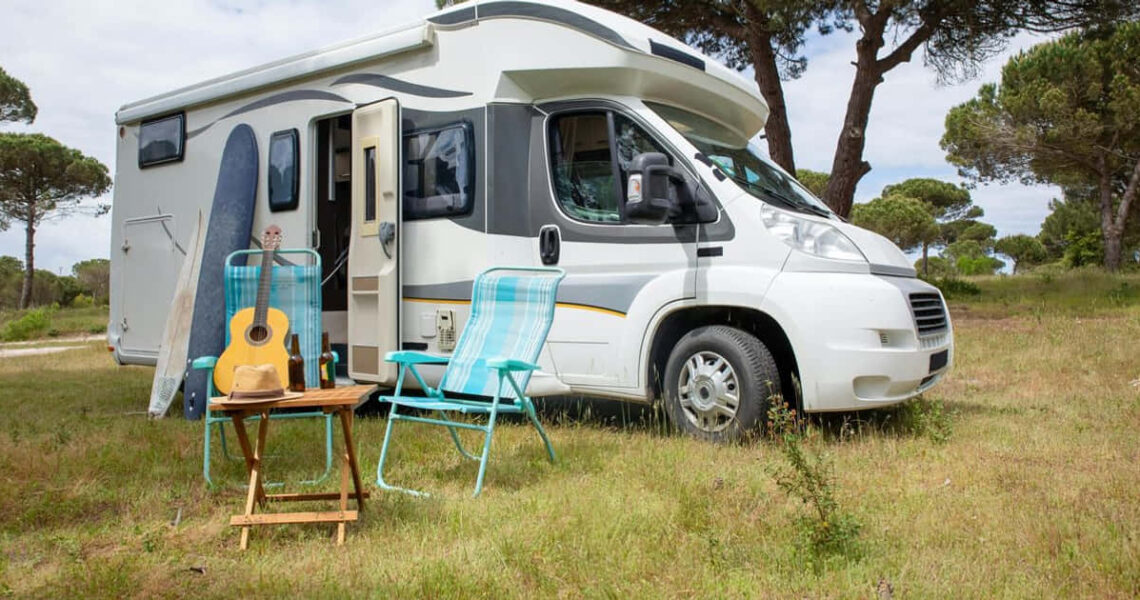
Australia’s caravan scene is undergoing a major transformation. The era of widely available free campsites is dwindling, prompting travellers to reconsider their journeys. Costs are on the rise, and local regulations are becoming stricter. Sustainability concerns are also shaping travel choices. Consequently, road trips are evolving. Travellers now place emphasis on supporting regional communities. At the same time, they wish to maintain the freedom of the open road.
Donation-based campsites gain popularity
Caravan travellers Bryce Connole and Chelsea Wood have noticed just how scarce free camping options have become. They support donation-based campsites, where travellers contribute £5–£10 a night. These funds go towards the upkeep of the facilities. Such modest donations not only cover expenses but also finance improvements for the benefit of all visitors.
Local communities have embraced this approach. Donations often remain within nearby towns, encouraging travellers to purchase food, fuel, or other services locally. This patronage assists regions that heavily depend on tourism. It provides economic stability and maintains a caravan-friendly culture.
Experts point out the environmental and social advantages of donation-based campsites. These sites have clear guidelines for waste disposal, fire safety, and noise control, promoting responsible travel. This approach preserves travellers’ freedom whilst protecting delicate local environments.
Council fees spark controversy
In some areas, local councils are introducing charges even at sites that were previously free. The Central Coast Council, for example, now charges £15 a night, citing maintenance costs and the need to manage high visitor numbers. Some travellers brand it a ‘money grab’, but officials argue it helps address vandalism and overcrowding.
Increasing fees and fresh regulations are having an impact on travellers. Many outback trips have been cancelled because of concerns about costs and fuel shortages. Tourism operators encourage travellers to continue exploring regional towns, stressing that tourism revenue is vital for local economies.
Practical strategies are helping caravan travellers adapt. For instance, staying longer in smaller towns reduces fuel usage whilst still supporting local economies. Striking a balance between convenience and responsibility ensures caravan journeys remain enjoyable. It also helps protect communities and the environment.
