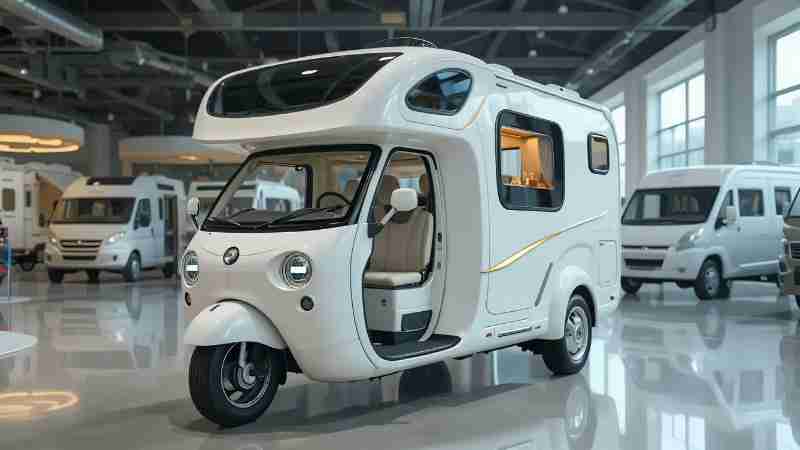
The recreational vehicle (RV) sector is undergoing a significant shift in 2025, with electric models transforming the design and usage of motorhomes, campervans, and caravans across Europe and North America.
Emerging startups and established manufacturers are introducing a broad range of vehicles that appeal to both experienced travellers and newcomers to mobile leisure.
RVs that were once infamous for their low fuel efficiency and significant emissions are being gradually replaced with greener, more economical alternatives that are better for the environment.
Electric caravans and compact travel trends
Leading the way are companies such as Lightship and Pebble Flow, both newer names in the electric RV market in the United States. Thor Inc., a larger American manufacturer, is also active in this space and is known in Britain through its Airstream brand.
These companies are revolutionising the market with towable campers that feature electric drivetrains and aerodynamic designs, which not only reduce the burden on the towing vehicle but also improve the overall performance and efficiency of the RV.
For instance, Lightship’s AE.1 Cosmos model includes a sophisticated self-driving capability when hitched, which not only simplifies transport but also improves the fuel efficiency of the vehicle pulling it.
Furthermore, the market now includes electric vans, such as the Volkswagen ID. Buzz, which provides a more eco-conscious choice for campers seeking a smaller, yet highly adaptable vehicle for their outdoor adventures.
The Buzz is among the electric vans now available, providing an environmentally friendly alternative for campers who prefer a more compact and versatile vehicle for their adventures.
Shifting consumer demands
The move towards electric RVs reflects the rising consumer interest in both eco-friendly and luxurious travel experiences, particularly among younger, higher-income individuals.
Such a shift not only ensures a cleaner, quieter camping experience but also sets the stage for a more sustainable and eco-friendly future for outdoor travel across Europe’s diverse landscapes.
